Beyond matcha: Kyoto’s specialty coffee scene is thriving
First published on CNA Luxury on 27 May 2026 06:42AM
From carefully crafted blends to kyo-machiya interiors, these Kyoto coffee roastery cafes offer a refined caffeine fix between temple visits and sightseeing stops.
Kyoto’s cafe culture is growing and thriving, led by the proliferation of new and established coffee roastery cafés across the city – with the expertise to impress even the coffee snobs.
The early 20th century saw the start of traditional European-style coffeehouses – also known as kissaten – which now co-exist with a new generation of coffee entrepreneurs. This third-wave coffee movement favours modern techniques, particularly the use of coffee blends that combine beans sourced from different countries and regions around the world.
ADVERTISEMENT
Everything from roasting techniques to the selection of complementary coffee beans is precisely calibrated to bring out unique tasting profiles that can range from floral and fruity notes to bright acidity, or deep nutty and chocolatey notes. This approach stands in contrast to classic single-origin coffee, which highlights the original flavour profile that a particular region is known for.
Coffee breaks are made especially indulgent in Kyoto, with many cafes offering desserts and pastries to pair with specialty drinks, whether handmade in-house or sourced from local bakeries. Kyoto is also frequently cited as one of Japan’s most bread-loving cities.
What’s more, many of these coffee stops are housed in photogenic spaces, ranging from modern minimalist interiors to kyo-machiya – traditional townhouses that form a distinctive part of Kyoto’s streetscape.
Get a taste of the city’s cafe culture on your next trip to Kyoto with our shortlist of coffee stops worth visiting.
ABOUT US COFFEE
Led by Yasunari Sawanoi, About Us Coffee has two locations in Fushimi and Nijo, each with its own charm. After a pivotal encounter with LiLo Coffee Roasters, also featured in this article, Sawanoi enrolled in culinary school to learn coffee roasting techniques before starting About Us Coffee in Fushimi in 2019.
The flagship store in Fushimi features a modern monochromatic look, while the Nijo outlet, which followed in June 2025, is a world apart with its traditional townhouse setting designed by Transformative Inc.
At the Nijo location, framed glass doors slide open to reveal a two-storey space with artisanal beauty. Traditional earthen walls, weathered wooden columns and exposed beams are paired with sleek black metal railings and burnished counters. Upstairs, red-tiled flooring and plant life enliven the second floor, with seats lined along the walls to encourage guests to sit back and soak it all in. Pair its pour-overs with the cafe’s popular lemon pound cake and other pastries, served in handmade ceramics.
COYOTE COFFEE
Owner Yusuke Kadokawa once lived in El Salvador, working closely with small-scale local producers before moving back to Japan. Coyote Coffee started as a roastery supplying local businesses, before opening its own spaces in Kyoto. Today, Kadokawa runs four outlets, including two locations near Kyoto Station and Gojo Station.
Cafe Delicioso De El Salvador is its newest venture, set next to its roastery and just steps from Demachiyanagi Station and the Kamo River. Opened in 2025, this compact cafe serves pour-over coffee in a cosy single-storey house. Slide open its glass doors to discover a modern interior incorporating locally sourced materials. Coffees brewed here are prepared with Salvadoran beans roasted on site, with benches facing the main counter so guests can watch the baristas at work while enjoying their coffee.
DUNSTAN COFFEE ROASTERS
Explore the nearby Byodo-ji Temple, known for its popular animal-themed amulets, then stop by for a coffee break here, just minutes from Shijo subway station. Opened in 2022, the roaster cafe takes its name from St Dunstan, a 10th-century archbishop associated with the tradition of hanging a horseshoe for good luck. A golden horseshoe is its lucky emblem, displayed on the shopfront above the gold-lettered signage.
The cafe’s interior blends European influences, with an atmosphere reminiscent of both a hotel lobby and a chapel. Soft ambient lighting, navy blue walls, curved alcoves and timber counters create an inviting ambience. Those keen to learn more about coffee roasting can also sign up for group workshops, while the café runs free introductory sessions online.
GOODMAN ROASTER
This Japanese-run roastery chain had an unusual start in Taiwan, where founder Atsuomi Ito fell in love with Alishan coffee. The coffee entrepreneur started Goodman Roaster with the goal of celebrating the particular sweetness of these Taiwan-grown coffee beans. Today, the company has two outlets in Taipei and a Kyoto cafe that opened in 2019. A new three-storey location in Kyoto is currently in the works, situated in a townhouse that will feature a rooftop area.
The Kyoto outpost was realised in collaboration with Tonoi Architectural Design Office, and features a wood-clad ceiling and a modern interior that has evolved over the years to include more seating and storage. Sink into the plush leather sofas or perch by the counter seats and watch the world go by over a cup of coffee.
IN THE COFFEE KYOTO
Opened in September 2025, this Kyoto outpost of LiLo Coffee Roasters is situated in a two-storey modern kyo-machiya, close to Gojo subway station. Founded by high school classmates Keita Nakamura and Kyohei Hotta, the roastery specialises in coffee blends featuring specialty beans sourced from around the world. Savour the delicate flavours of each blend by ordering the filter-drip coffee, or try refreshing mocktails that combine coffee brews with fruity and floral flavours.
The interior design concept is guided by the Japanese principle of onko chishin – innovation that arises from learning from the past. Original features of the building are conserved where possible. To create a cosy and inviting atmosphere, soft furnishings and decorative elements have been dressed by Japanese knitwear brand Biblioteca, also situated in the same townhouse. Moss green accents contribute to the calming ambience, representing the connection between nature and urban life.
IOLITE COFFEE
Savour your coffee in an elegant townhouse, just a short walk from Karasuma subway station. Opened in 2020, this cafe roastery serves specialty blends and single-origin brews, alongside a refreshing mix of iced drinks that include espresso tonic and ice-cream sodas.
“We want not only coffee enthusiasts but also those less familiar with coffee to feel that ‘there’s something different about this coffee’; even if they can’t quite explain why, they can recognise that it’s delicious,” sais Daisuke Yoshida, who runs the cafe with his wife. Yoshida leads the coffee roasting and brewing process, while his wife takes charge of the dessert menu.
The high-ceilinged design adds to the relaxing atmosphere. The space is decorated with modern wooden furnishings that complement the cedar columns and beams, as well as lighting hand-picked by the couple and sourced locally.
SOT COFFEE KYOTO
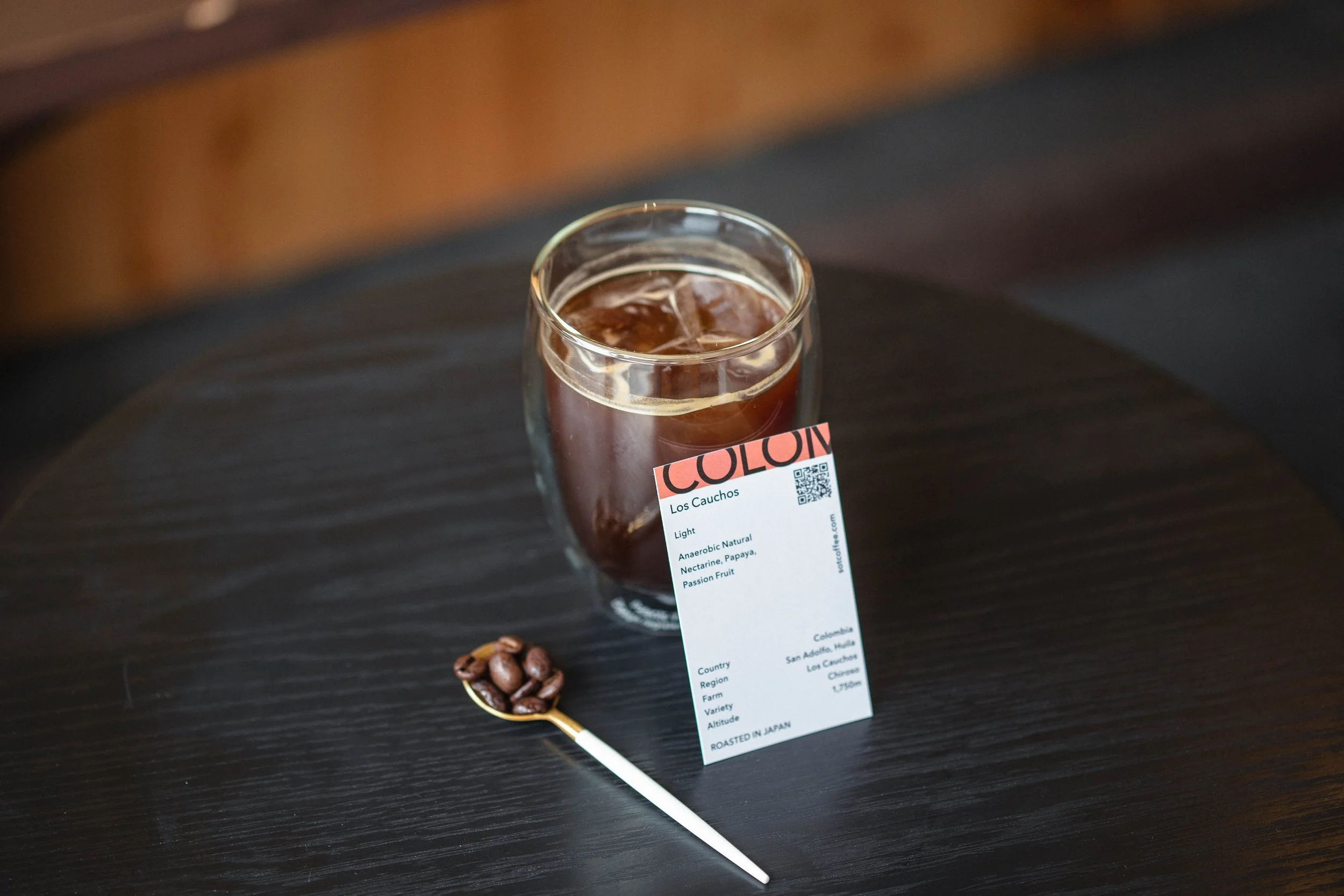
Sot, which means “sweet” in Swedish, aims to celebrate the natural fruity sweetness of coffee. This Nordic influence is reflected in its specialty blends, which lean towards a light-roast style and delicate taste profile, as well as in its understated interiors across its Osaka and Kyoto locations.
Founder Eriko Okada chose a traditional townhouse in Higashiyama as the brand’s first Kyoto outpost, a cosy 10-seater cafe located close to Toyokuni Shrine and the Kamo River. Walk up to the concrete counter to place your order, then find a spot on the bench or take a seat on the tatami-style flooring at the back of the first storey.
